Familieninvestoren suchen Zuflucht in traditionsreichen Unternehmen, um KI-Disruptionen zu umgehen

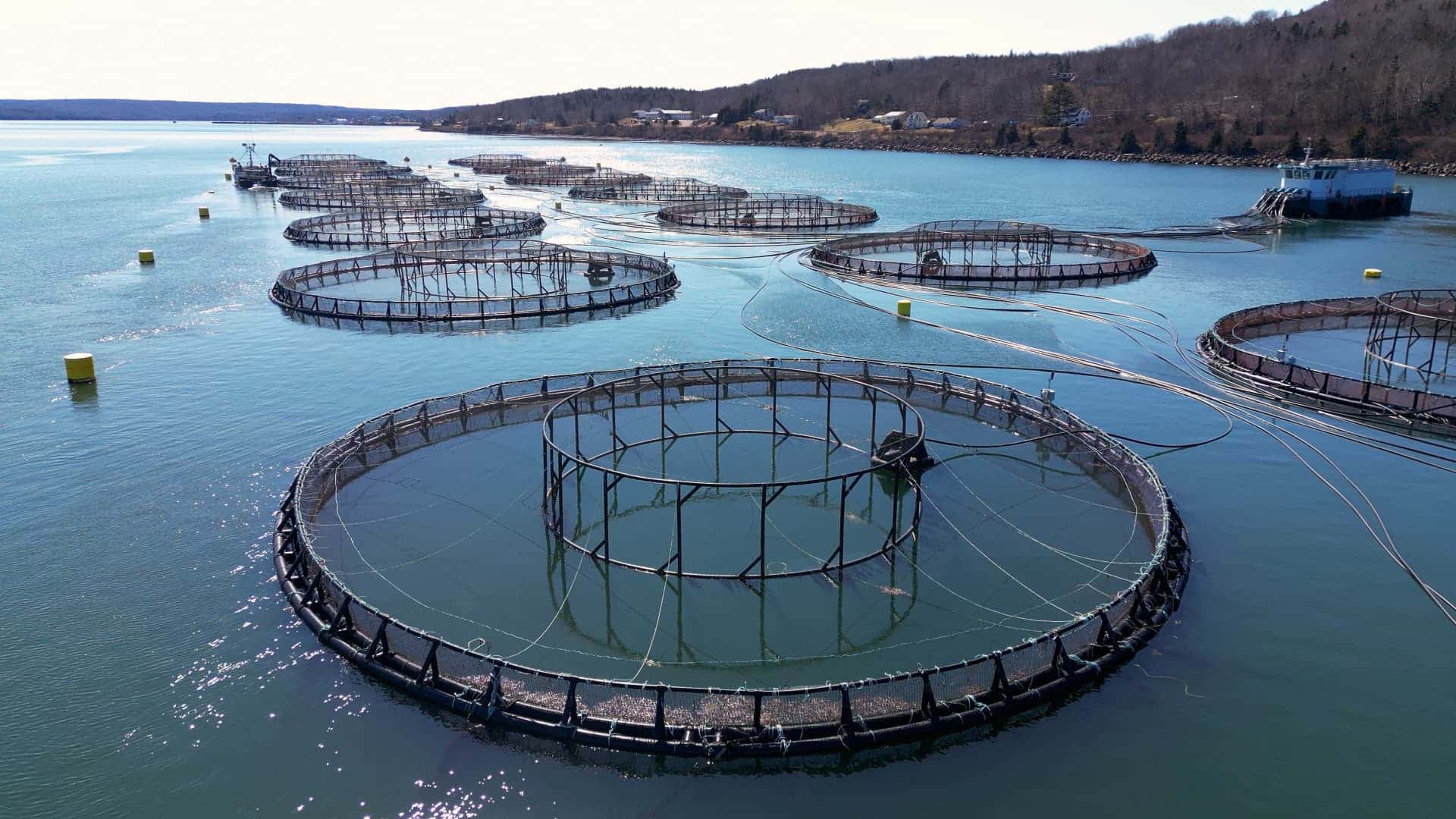
Equity Group Investments, supported by the estate of the late billionaire Sam Zell, holds ownership in a John Deere dealership, a bluefin tuna aquaculture operation, and a pedestrian bridge linking San Diego with Tijuana International Airport.
Although these assets may appear to be unconnected, the common thread binding the diverse holdings of the private investment firm is an emphasis on established industries that exhibit greater resilience against disruption from artificial intelligence and emerging technologies, according to EGI’s president, Mark Sotir.
“Our preference is to invest our capital for a more extended period compared to most [private equity] firms. When projecting over 10 to 12 years, the initial step involves selecting a company within an industry that is assured to endure,” he stated. “This is precisely why we avoid certain tech ventures and startups. It’s not a lack of interest; rather, it’s challenging for me to precisely forecast the trajectory of software development a decade from now.”
The strategy of favoring established, less technologically dependent businesses gained traction on Wall Street earlier this year, earning the moniker “HALO,” which stands for “heavy assets, low obsolescence.” Family offices are already implementing this approach in private markets, investing with a multigenerational perspective and valuing the consistent income streams often generated by traditional businesses, as noted by Sotir. Economic unpredictability and shifts in tax policy have also made investing in these asset-intensive companies more appealing.
Asset-heavy enterprises tend to be overlooked by conventional PE investors focused on transactions within a three-to-seven-year timeframe, presenting opportunities for family offices to acquire them at a reduced valuation, according to Sotir.
“While many are captivated by asset-light models, I find myself saying, ‘If you’re paying a premium for an asset-light structure, I question the inherent advantage,’” he remarked.
The “one big beautiful bill” legislation also proved advantageous for owners of these businesses by reinstating bonus depreciation, allowing companies to deduct the full cost of eligible assets, such as machinery or vehicles, in the initial year of their use.
“This represents a significant alteration that can yield substantial tax benefits,” commented Brian Hans, who oversees tax efficiency strategies for UBS’s advanced planning group. “Clients within family offices are increasingly adopting a more proactive approach to tax planning in their investment decisions, scrutinizing after-tax returns and incorporating these calculations into their investment choices.”
Hans further explained that if the family actively participates in the business, the depreciation can potentially be offset against income generated from other investments, such as stocks. This offers a considerable advantage to families holding significant appreciated stock portfolios, he added.
Automotive and equipment dealerships are well-positioned to benefit from bonus depreciation and meet other crucial criteria for family investments, including stable cash flow, according to Joe Mowery, head of dealership investment banking at Stephens.
“It’s quite straightforward. They value a tax-efficient income stream,” Mowery stated.
While inflation and other economic factors may impact consumers’ purchasing power for vehicles and equipment, the parts and service sector remains robust and offers high profit margins, according to Mowery.
“It’s not a luxury; it’s a necessity. People need transportation for work, school runs, and various other commitments,” he elaborated.
Get Inside Wealth directly to your inbox
The Inside Wealth newsletter by Robert Frank serves as your weekly guide to high-net-worth investors and the sectors catering to them.
Subscribe here to gain access today.
Established businesses are not entirely immune to disruption, but they can benefit from geographical advantages that limit competition, according to Sotir. For example, EGI’s ownership of John Deere and Kenworth dealerships, coupled with franchise agreements, prevents competing dealerships of the same brands from opening nearby, Sotir explained.
Regarding EGI’s bluefin tuna fishing and aquaculture operations in Baja California, substantial entry barriers exist due to fishing quotas, Sotir noted.
Unlike traditional PE firms, EGI, being family-backed, is not pressured to deploy capital rapidly, as it typically completes one to two deals annually, Sotir mentioned. He also indicated that the firm is receiving a growing number of inquiries from business owners facing pressures from tariffs, inflation, and other challenges.
“The prevailing uncertainty has, somewhat counterintuitively, become an advantage for us,” he commented.
Attractive opportunities are emerging in the agricultural sector, where farms are experiencing significant strain, Sotir observed. While the challenges, such as escalating fertilizer and fuel costs, are substantial, EGI possesses the financial capacity to await long-term returns, he stated.
“When people are apprehensive about a sector, that’s the ideal moment for us to step in and acquire,” he said. “Even if the full value isn’t realized in the initial two or three years, that’s acceptable, as long as we are confident in its eventual realization, owing to our extended investment horizon.”
Choose CNBC as your preferred source on Google and never miss a moment from the most trusted name in business news.
Інформація підготовлена на основі матеріалів: www.cnbc.com